

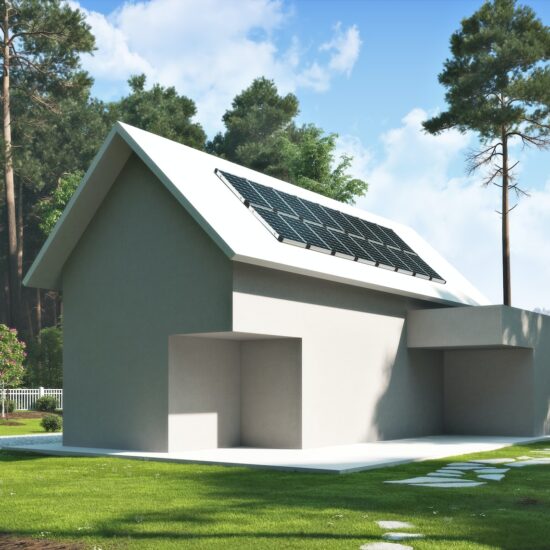
Green building and energy solutions are becoming increasingly crucial in residential and commercial architecture. The world is facing environmental challenges that demand action and innovation, the construction industry has an important role to play in addressing these issues.
What is Green Building?
The term ‘Green Building’ refers to a building where extra consideration has been taken through the design, construction, and operation of buildings to reduce the building’s environmental impact. This can be achieved by utilising sustainable materials, efficient energy systems, and innovative design techniques that minimise waste and emissions. Energy solutions focus specifically on reducing energy consumption and promoting renewable energy sources.
There are many reasons why green buildings and energy solutions are becoming more important in residential and commercial architecture. One of the main reasons is to address climate change. Unfortunately, the construction industry is responsible for a significant portion of global greenhouse gas emissions, and reducing these emissions is crucial in mitigating the effects of climate change.
In addition to their environmental benefits, green buildings provide financial benefits for owners and tenants. By reducing energy consumption inturn operating costs are reduced. Green Buildings are more appealing to building users.
Green building and energy solutions can be incorporated many ways into residential and commercial architecture. One common strategy is to use sustainable materials in construction such as locally sourced, recycled, or renewable materials. For example, using softwood flooring or countertops is a sustainable option this is a fast-growing, renewable resource.
Another strategy is to incorporate energy-efficient systems into buildings. These can include solutions such as LED lighting, efficient HVAC systems, and smart thermostats. These systems can help to reduce energy consumption and in turn lower operating costs.
The Importance of Renewable Energy and Green Building
Renewable energy sources are a vital component of green buildings and energy solutions. Photovoltaic Panels and Solar Heating systems can be installed on buildings to generate renewable energy and reduce dependence on fossil fuels. Additionally, green roofs and living walls can provide insulation and reduce the urban heat island effect, which can help to further reduce energy consumption.
Implementing efficient energy solutions is not only important for new construction projects, but also for retrofitting existing buildings. Many older buildings are not sustainable, and therefore retrofitting with energy-efficient systems and sustainable materials can reduce their environmental impact.
Requirements to Adopt Green Building and Energy Solutions
To promote the adoption of green building and energy solutions, there are certifications and standards that have been developed. Building Research Establishment Environmental Assessment Method (BREEAM) is a commonly used green building certification programme developed in the UK. BREEAM provides a framework on: energy and water use; Health and Wellbeing; Pollution; Transport; Materials; Waste; Ecology and Management.
Other certifications and standards include the Living Building Challenge, the WELL Building Standard, and the Passive House Standard. Each of these programs has its own unique requirements and focuses, but they all share a commitment to sustainable design and energy efficiency.
In addition to these certifications and standards, governments across the world are also taking action to promote green building and energy solutions. In the UK, for example, the Green Deal initiative provides incentives and financial support for homeowners and operators who are looking to improve energy efficiency in their homes. Many towns and councils have also implemented building codes and energy standards that require new buildings to meet certain sustainability requirements.
The importance of green building and energy solutions will only continue to grow as the world faces more environmental challenges. The construction industry has a critical role to play in addressing these issues. The adoption of sustainable and energy-efficient practices is an important step in the right direction.

Challenges with Green Building
However, the adoption of green building and saving energy solutions are not without their challenges. One major obstacle is the upfront costs associated with these practices, which can be higher than traditional construction methods. However, these costs can often be recouped through energy savings payback and increased property value.
Another challenge is for more education and awareness about the benefits of green building and energy solutions. Many building owners and operators may not be aware of certifications and accreditions available, or may not understand the long-term financial benefits of sustainable design and construction. With the rising energy costs and the increased costs of living, implementing a sustainable approach will become ever more appealing.
Overall, green building and energy solutions are becoming increasingly crucial components of residential and commercial architecture. By embracing sustainable practices and investing in energy-efficient systems and materials, we can help to create a more sustainable future for generations to come.
Conclusion
Green building and energy solutions are increasingly important in residential and commercial architecture. These practices can help to reduce greenhouse gas emissions, lower operating costs, and promote environmental responsibility. There are many different strategies and accreditions available to promote sustainable and energy-efficient design and construction.
The benefits of green building and energy solutions are clear, both for the environment and for building owners and building users. By investing in sustainable design and construction practices, we can help to create a more sustainable future and mitigate the effects of climate change.
Find out more about how we can help you implement green building and energy-saving solutions into your building project by contacting us today.