

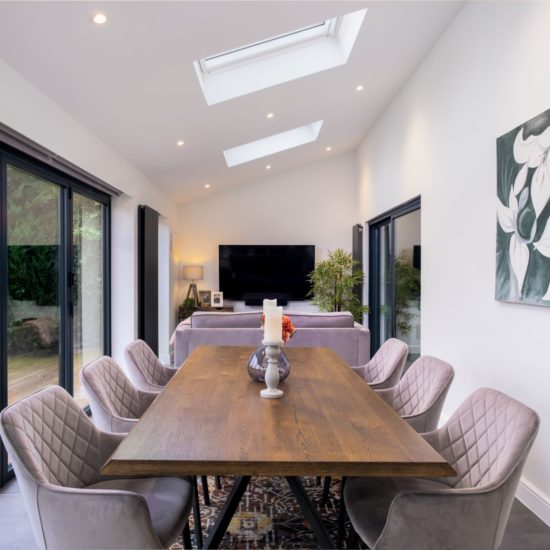
With our natural light sources dwindling in the day, we are left with only one option – artificial light. But what if you want to enjoy the benefits of both? In this article, we explore how using rooflights can help you achieve that goal.
Types of Natural Light
There are three main types of natural light: direct, indirect, and oblique.
- Direct light comes from the sun and is the brightest type of light. It is also the harshest type of light and can cause glare on surfaces.
- Indirect light comes from the sky but is not as bright as direct light. It is a softer type of light and is less likely to cause glare.
- Oblique light comes from the sun but is reflected off of objects before it enters the home. This type of light is softer than direct light and can help to reduce glare.
Rooflights vs. Skylights
There are many different types of roof lights available on the market today. Each type has its own unique benefits and drawbacks. The two main types of lights that can be used to bring natural light into a home are rooflights and skylights. Both have their own benefits and drawbacks.
Rooflights are installed on the roof of a home, and usually include functional capabilities such as opening and closing, motorized features as well as terraced openings. Additionally, rooflights tend to be harder to install, and they may not provide as much light as skylights. Skylights are fixed, glazed modular units that are installed in the ceiling of a home, and they provide a more direct source of natural light. They are often more expensive than rooflights, but they are easier to install and they provide more light. The drawback for a skylight is that they are fixed and cannot be opened, and therefore serve one function only – to provide a source of natural light.
Advantages of Utilising Natural Light
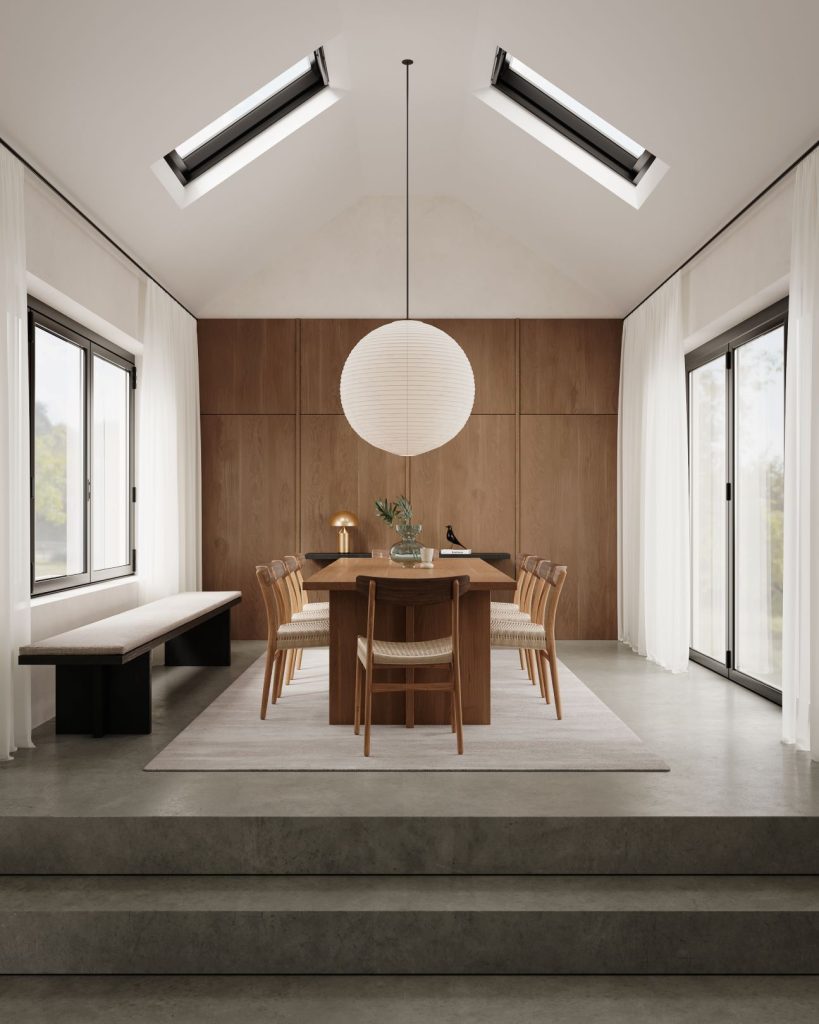
There are many advantages to utilising natural light in your home. Natural light can help to make a space feel more open and breathable. It can also help to reduce your energy costs since you won’t need to rely as much on artificial lighting. Natural light can also be good for your health, as it can help to improve your mood and increase your vitamin D levels.
If you’re considering adding rooflights to your home, there are a few things you should keep in mind. First, you’ll need to make sure that the area you’re adding the rooflights to is properly insulated. This will help to prevent heat loss in the winter and keep your home cooler in the summer. You’ll also want to consider the orientation of the rooflights, as this will affect how much natural light they let in. Overall, utilising natural light in your home has many benefits. Roof lights are a great way to take advantage of natural light and add some extra style to your home.
Disadvantages of Utilising Natural Light
While there are many benefits to utilising natural light in your home, there are also some disadvantages. One disadvantage of utilising natural light is that it can be unpredictable. The amount of natural light that comes into your home can vary depending on the time of day and the weather. This can make it difficult to control the lighting in your home.
Another disadvantage of utilising natural light is that it can cause glare. Glare is when the light is so bright that it makes it difficult to see. It can be especially bothersome when you are trying to work or read. Despite these disadvantages, utilising natural light can still be a great way to add beauty and style to your home. If you take the time to carefully consider where you place your windows and how you use curtains or blinds, you can minimise the disadvantages of using natural light.
Types of Rooflights

Roof Lanterns
Roof lanterns are a great way to transform any commercial or residential property and can help brighten up a room. This contemporary style of roofing can be customised to suit the needs of any building.
Walk on Rooflights
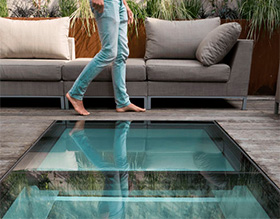
This style of rooflight is popular for use on terraces where pedestrians are frequent. The units are designed with this in mind and are strengthened while still allowing a great amount of natural daylight into a room.
Opening Rooflights
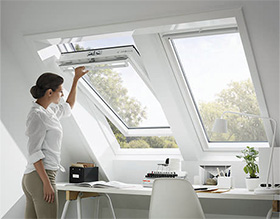
Opening rooflights help to both brighten and ventilate any room but help you to remain in control of the temperature by opening only to a specific point. This style of skylight is perfect for when roof access is not required and the window only needs a small opening.
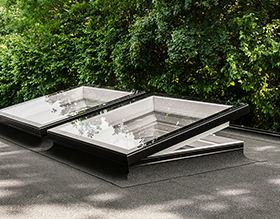
Electric Rooflights
Electric rooflights are the perfect solution to help brighten up a room as well as allowing ventilation. The electric hinges allow these windows to be controlled from a panel or remote which is ideal for installation on high, out of reach ceilings.
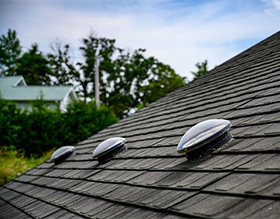
Sun Tubes
Ideal for awkward spaces, sun tubes are designed to direct natural daylight into even the smallest of rooms. Reflective tubing helps to direct this light which is then dispersed across the ceiling of a room and is a stylish solution to bring light into any room.
Additional Things to Consider
You will usually need planning permission for rooflights if your home is listed in a conservation area or if the rooflight would result in the provision of a roof terrace. If you are unsure, it is always best to check with your local authority. If you are planning on adding rooflights to your home, it is important to make sure that they are installed correctly. This means that they should be properly sealed and insulated to prevent heat loss. You should also make sure that they are fitted with the correct type of glass to protect against UV rays and avoid condensation build-up.
If you are still feeling uncertain about whether or not rooflights are the ideal choice for your space, contact our team at Draw Plan. Our qualified team of architects can conduct an initial consultation and possibly a site survey. This will help us understand the needs of your space as well as help you with your planning permission process and building regulations drawings.