

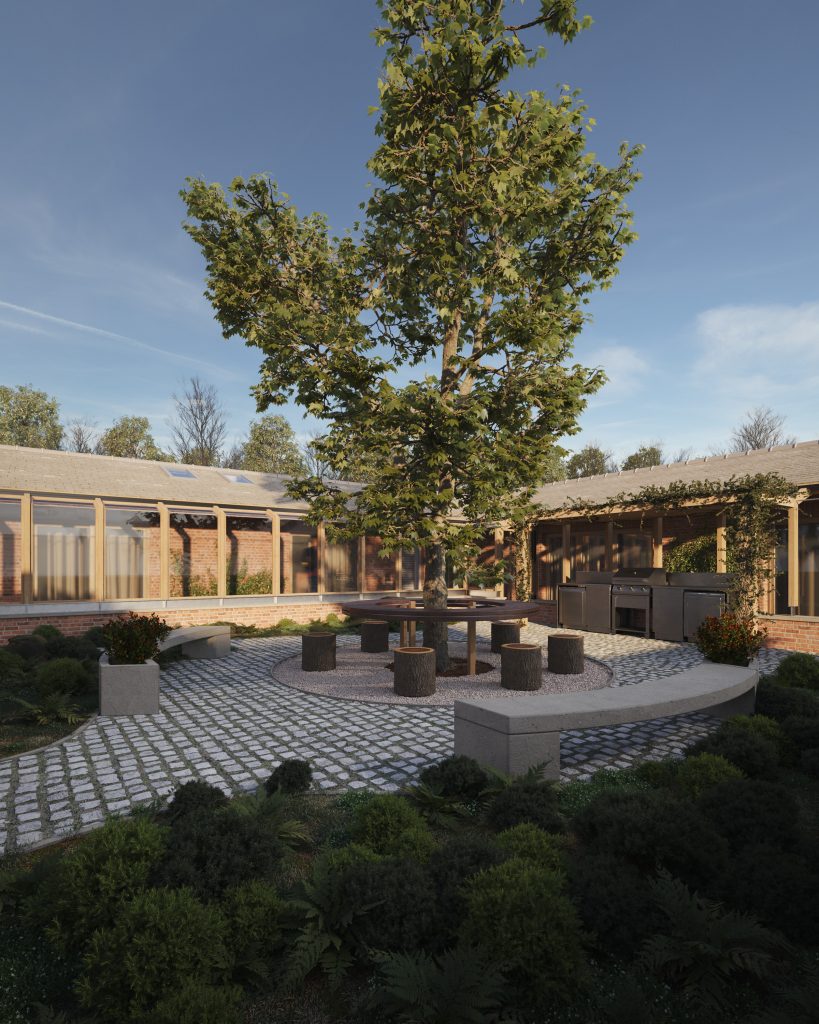
There’s a reason people choose to live in Culcheth. The village sits surrounded by open farmland, quiet lanes, and the kind of greenery that makes city dwellers envious. But here’s the thing—you can spend all day looking out at that beauty and still feel disconnected from it once you step inside.
Biophilic design changes that. It’s an approach to interiors that brings natural elements indoors, creating spaces that feel calm, grounded, and genuinely connected to the landscape outside your windows. And in a place like Culcheth, where nature is quite literally on your doorstep, it makes perfect sense.
This isn’t about filling your home with pot plants (though they help). It’s about light, materials, spatial flow, and the small details that make a house feel like a sanctuary rather than just somewhere you sleep.
Table of Contents
- What Is Biophilic Design?
- Maximising Natural Light
- Bringing Greenery Indoors
- Natural Materials and Textures
- Water Features for Calm
- Nature-Inspired Colours
- Designing for Flow and Openness
- Engaging All the Senses
What Is Biophilic Design?
The term sounds technical, but the idea is simple: humans have an innate need to connect with nature, and our homes should reflect that. Research consistently shows that spaces with natural elements reduce stress, improve concentration, and boost overall wellbeing. In Culcheth, where the countryside shapes daily life, biophilic design feels less like a trend and more like common sense.
The principles work on three levels:
- Direct connections: Actual natural elements—plants, water, sunlight, views of the outdoors.
- Indirect connections: Materials, colours, and textures that evoke nature—wood grain, stone surfaces, earthy palettes.
- Spatial qualities: Layouts that feel organic—open, flowing spaces with visual pathways to the outdoors.
Maximising Natural Light
Light changes everything. The same room can feel cramped and oppressive or spacious and uplifting depending on how daylight enters. For biophilic design, natural light isn’t just helpful—it’s foundational.
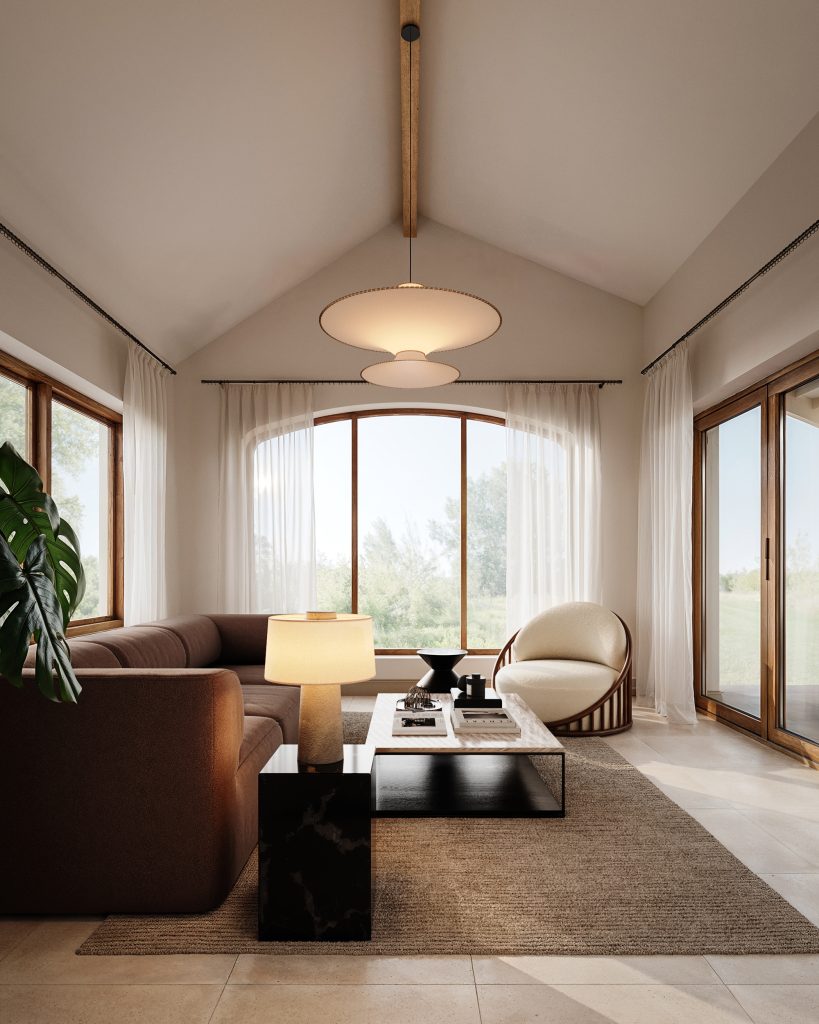
Practical ways to bring in more light:
- Larger windows and glazed doors: If you’re planning an extension or renovation, consider floor-to-ceiling glazing that frames views of your garden or the fields beyond. It’s not just about light—it’s about connection.
- Skylights and roof lanterns: Perfect for rooms without exterior walls, or for bringing light into the heart of a home. The quality of light from above feels different—softer, more even.
- Light window treatments: Heavy curtains block the very thing you’re trying to maximise. Sheer fabrics or simple blinds provide privacy without sacrificing daylight.
Our feasibility drawings can help you explore how to reconfigure your home to capture more natural light.
Bringing Greenery Indoors
Plants are the most obvious expression of biophilic design—and the easiest starting point. They purify air, add life and colour, and create visual softness that balances harder architectural elements.
Ideas for incorporating plants:
- Low-maintenance varieties: Snake plants, peace lilies, and spider plants thrive on neglect. Larger statement plants like fiddle leaf figs or monstera add drama to living spaces.
- Vertical gardens: When floor space is limited, go upward. Living walls work particularly well in kitchens and bathrooms, where humidity helps plants thrive.
- Strategic placement: Group plants near windows where they’ll flourish. Use hanging planters to add layers of greenery without cluttering surfaces.
The goal isn’t to create an indoor jungle (unless that’s your thing). Even a few well-placed plants soften a space and remind you that nature is never far away.
Natural Materials and Textures
Materials matter. The surfaces you touch, the floors you walk on, the finishes that catch your eye—these create a tactile connection to the natural world that goes beyond the purely visual.
Materials that bring warmth and authenticity:
- Wood: Timber flooring, exposed beams, wooden furniture. The grain, the warmth, the slight imperfections—wood feels alive in a way that synthetic materials simply don’t.
- Stone and brick: A stone feature wall, a brick fireplace, slate countertops. These materials ground a space, adding weight and permanence that connects to the earth.
- Natural fabrics: Linen, wool, cotton, jute. These textiles feel good against skin and age gracefully. Layer them through rugs, cushions, throws, and curtains.
In a village like Culcheth, where traditional materials feature in many local buildings, these choices also help your home feel rooted in its place.
Water Features for Calm
Water has a uniquely calming effect. The sound of it, the movement, even the reflections—there’s a reason spas and meditation spaces almost always incorporate water elements.
Options for incorporating water:
- Indoor fountains: Small tabletop fountains or wall-mounted water features add gentle sound and movement. They work well in living rooms, entryways, or home offices.
- Aquariums: Beyond their visual appeal, watching fish is genuinely calming. A well-designed aquarium becomes a living artwork and a natural focal point.
- Garden ponds visible from inside: If indoor water features aren’t practical, position seating to overlook a garden pond or water feature. The effect is almost as powerful.
Nature-Inspired Colours
Colour sets the emotional tone of a space. A nature-inspired palette creates harmony and calm—the visual equivalent of a deep breath.
Building a natural colour scheme:
- Earthy neutrals as your foundation: Warm whites, soft beiges, gentle greys, taupe. These colours recede, creating calm backgrounds that let natural materials and greenery stand out.
- Greens and blues for depth: Forest green, sage, sky blue, deep teal. Use these as accents—on a feature wall, through soft furnishings, in artwork.
- Natural patterns: Botanical prints, stone textures, subtle organic motifs. These add interest without competing with the calming overall effect.
Look outside your window in Culcheth—the greens of the fields, the browns of the earth, the soft greys of an English sky. That’s your palette.
Designing for Flow and Openness
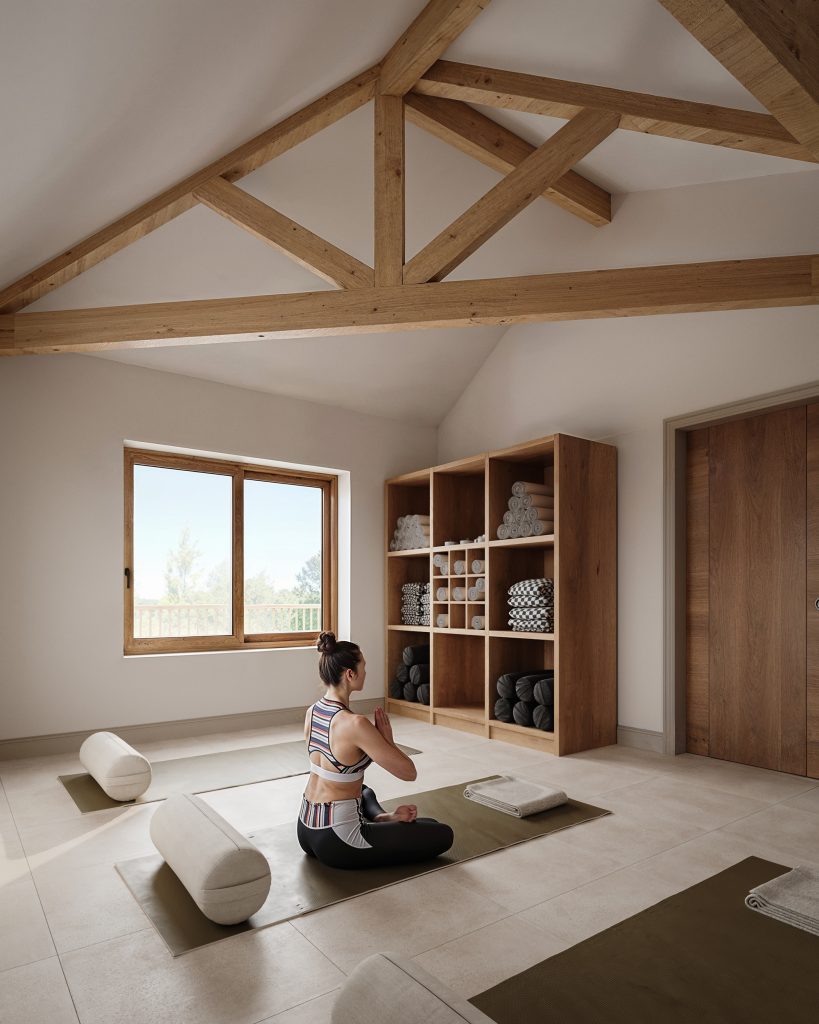
Nature doesn’t have corridors. It flows. Biophilic design translates this into interiors through open layouts, visual connections to the outdoors, and organic shapes that feel more natural than rigid right angles.
Creating natural flow:
- Open-plan living: Removing unnecessary walls improves light, sightlines, and the sense of space. It also allows views through the home to the garden beyond. See our remodelling projects for examples.
- Curved and organic shapes: Arched doorways, rounded furniture, circular rugs. These soften the geometry of a space and feel more in tune with natural forms.
- Visual pathways to outdoors: Arrange furniture to draw the eye toward windows and garden views. Make the outdoors part of every room’s composition.
Engaging All the Senses
Biophilic design isn’t just visual. True connection to nature engages all the senses—scent, sound, touch, even taste if you grow herbs on your windowsill.
Multi-sensory elements:
- Natural scents: Essential oils like lavender, eucalyptus, or cedarwood. Dried flowers or herbs. Fresh air from open windows when weather permits.
- Nature sounds: If a water feature isn’t practical, even recorded birdsong or rain sounds can create a calming backdrop. Better still, open windows and let the real thing in.
- Texture variety: Rough stone, smooth wood, soft wool, cool marble. Variety in tactile experience keeps spaces interesting and grounded in physical reality.
Creating Your Biophilic Home in Culcheth
Incorporating biophilic design isn’t about following a formula—it’s about responding to your specific home, your site, and the Culcheth landscape that surrounds you. Done well, the result is a space that feels calming, connected, and entirely natural to live in.
At Draw Plan, we specialise in creating homes that blend beautifully with their surroundings. Based in Warrington and with extensive experience across Culcheth and the wider Cheshire area, we understand how to design spaces that capture natural light, frame views, and use materials that feel right for this part of the world.
Our services include:
- Feasibility Drawings – Exploring your options before you commit.
- Planning Drawings – Preparing and submitting applications to Warrington Borough Council.
- Building Regulations – Technical drawings to ensure safe, compliant construction.
- Supplier Connect – Introductions to vetted builders in your area.
- 3D Visualisations – Photorealistic renders so you can see your project before it’s built.
Whether you’re planning a full renovation, an extension that opens up to your garden, or simply want to understand what’s possible, Book a Consultation and let’s discuss how to bring the Culcheth countryside into your home.
For more inspiration, browse our portfolio or visit our Advice Centre.