

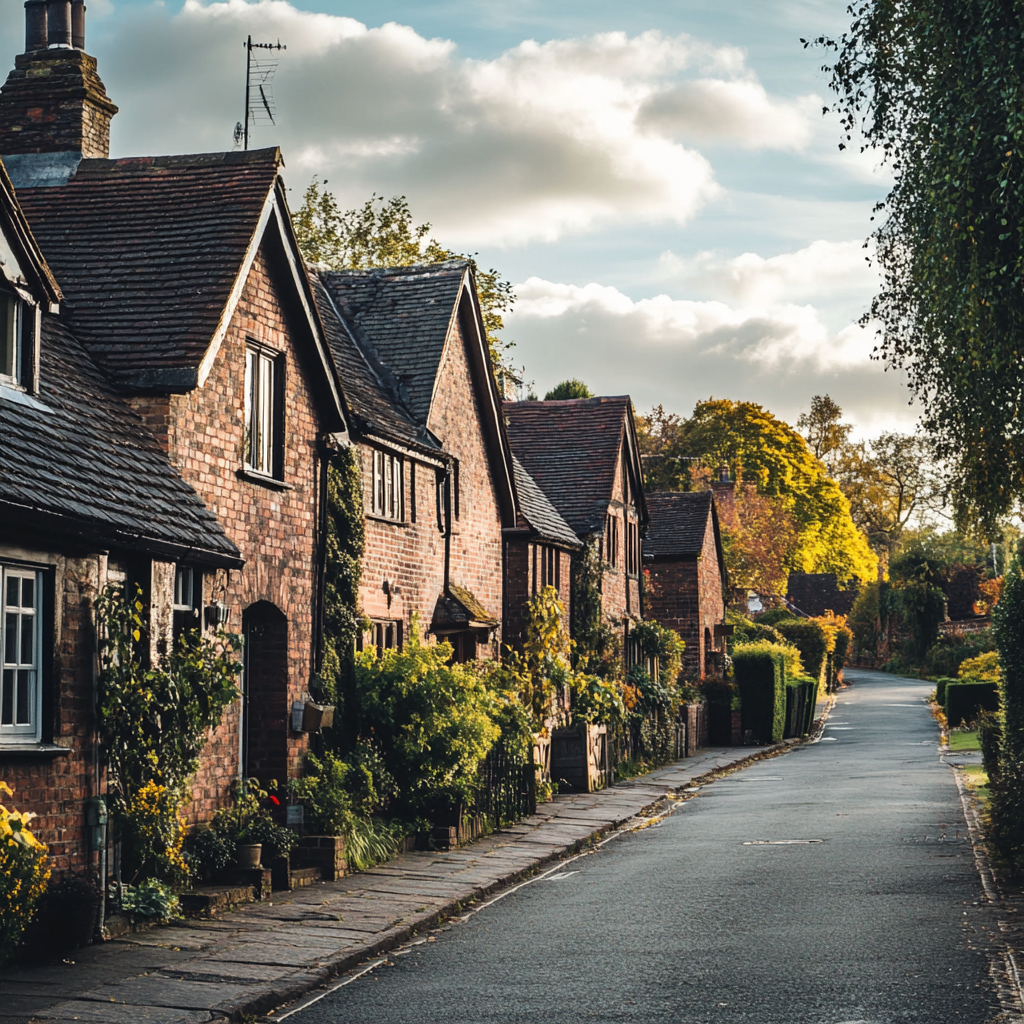
Cheshire consistently ranks among the most commercially attractive counties in the North West. High disposable income, strong transport links between Manchester and Liverpool, and a resident population that actively supports independent retail and premium services create conditions that few regions outside London can match. For investors weighing up where to place capital in commercial property, the question isn’t whether Cheshire works – it’s which part of Cheshire best fits your development type.
The landscape has shifted significantly since the introduction of Use Class E in September 2020, which consolidated shops, restaurants, offices, light industrial, gyms, health centres, and nurseries into a single planning class. This means greater flexibility for commercial premises across Cheshire, but it also means more competition for the best sites and a sharper need to understand local demand before committing to a scheme.
This guide breaks down the strongest neighbourhoods for commercial investment across the county, with practical insight on what each location supports, what the planning environment looks like, and where the genuine growth opportunities sit – not just the headline appeal.
In this post:
- Wilmslow – high-end retail and premium office space
- Alderley Edge – exclusive dining, leisure, and boutique hospitality
- Knutsford – independent retail, artisan food, and tourism-driven footfall
- Macclesfield – mixed-use developments and the creative economy
- Altrincham – market-led regeneration and evening economy growth
- Warrington – large-scale commercial hubs and strategic logistics
- Planning considerations for commercial developments in Cheshire
- How Draw Plan supports commercial projects
Wilmslow: High-End Retail and Premium Office Space
Wilmslow’s reputation as one of the wealthiest towns in England isn’t just anecdotal – average household income here sits well above the national median, and the town centre benefits from a catchment that extends across the Cheshire Golden Triangle into Handforth, Styal, and surrounding villages. For commercial investors, this translates into a consumer base with genuine spending power and a preference for quality over price.
Retail investment in Wilmslow works best at the premium end. The town already supports established independent retailers alongside national chains, and there’s demonstrable demand for luxury boutiques, high-end homewares, specialist food retailers, and personal services like bespoke tailoring or premium beauty clinics. Grove Street and Water Lane form the commercial spine, with units here commanding strong rents relative to comparable North West towns.
Office demand remains robust, driven by Wilmslow’s appeal to professional services firms – accountancy practices, financial advisers, solicitors, and consultancies – that want a prestigious address without Manchester city centre overheads. The commuter rail link to Manchester Piccadilly (under 25 minutes) also supports demand for flexible and co-working spaces aimed at professionals who split their week between home and city office.
The planning context here sits within the Cheshire East Local Plan, and Wilmslow town centre is designated as a Key Service Centre. Proposals that strengthen the town centre’s retail and commercial function are generally supported in policy terms, though any development within the conservation area – which covers much of the historic core – will need to demonstrate sensitivity to the existing streetscape character. Commissioning feasibility drawings early in the process establishes whether a scheme is viable within these constraints before significant cost is committed.
Alderley Edge: Exclusive Dining, Leisure, and Boutique Hospitality
Alderley Edge occupies a peculiar position in Cheshire’s commercial hierarchy – a small village with an outsized reputation. The resident population is modest, but spending power per capita is exceptional, and the village draws visitors from across the North West who come specifically for the dining and leisure experience. This creates a commercial environment that’s highly concentrated and fiercely competitive, but extremely rewarding for the right operator.
Hospitality and dining are the dominant commercial sectors, and the village supports more high-end restaurants per capita than almost anywhere in the region. There’s a proven model here: intimate, quality-driven venues with strong design credentials outperform larger format restaurants. Recent years have seen successful additions in bespoke cocktail bars, artisan bakeries, and specialist wine merchants – all trading on the village’s aspirational positioning.
Boutique hospitality presents a genuine gap in the market. Alderley Edge currently lacks a high-quality boutique hotel, despite the obvious demand from visitors to the area and the broader wedding and events market that Cheshire’s country houses support. A sensitively designed conversion of a period property could serve this market exceptionally well.
Leisure and wellness investment is growing, with demand for premium gym and fitness concepts, private members’ clubs, and wellness facilities that go beyond the standard high-street offering. The demographic here actively seeks exclusive, design-led experiences, and operators who understand this tend to thrive.
Planning considerations in Alderley Edge centre on the village’s conservation area status and its Green Belt setting, which tightly constrains any outward expansion. New commercial development typically involves change of use or conversion of existing buildings rather than new-build, and design quality is scrutinised closely. Understanding what the local planning authority will and won’t support – and presenting schemes through well-prepared planning drawings – is the difference between a smooth approval and months of negotiation.
Knutsford: Independent Retail, Artisan Food, and Tourism-Driven Footfall
Knutsford’s commercial appeal rests on a combination that’s difficult to replicate: a genuinely attractive historic town centre, a loyal local customer base, and consistent tourist footfall driven by Tatton Park – one of the most visited National Trust properties in the country, drawing hundreds of thousands of visitors annually.
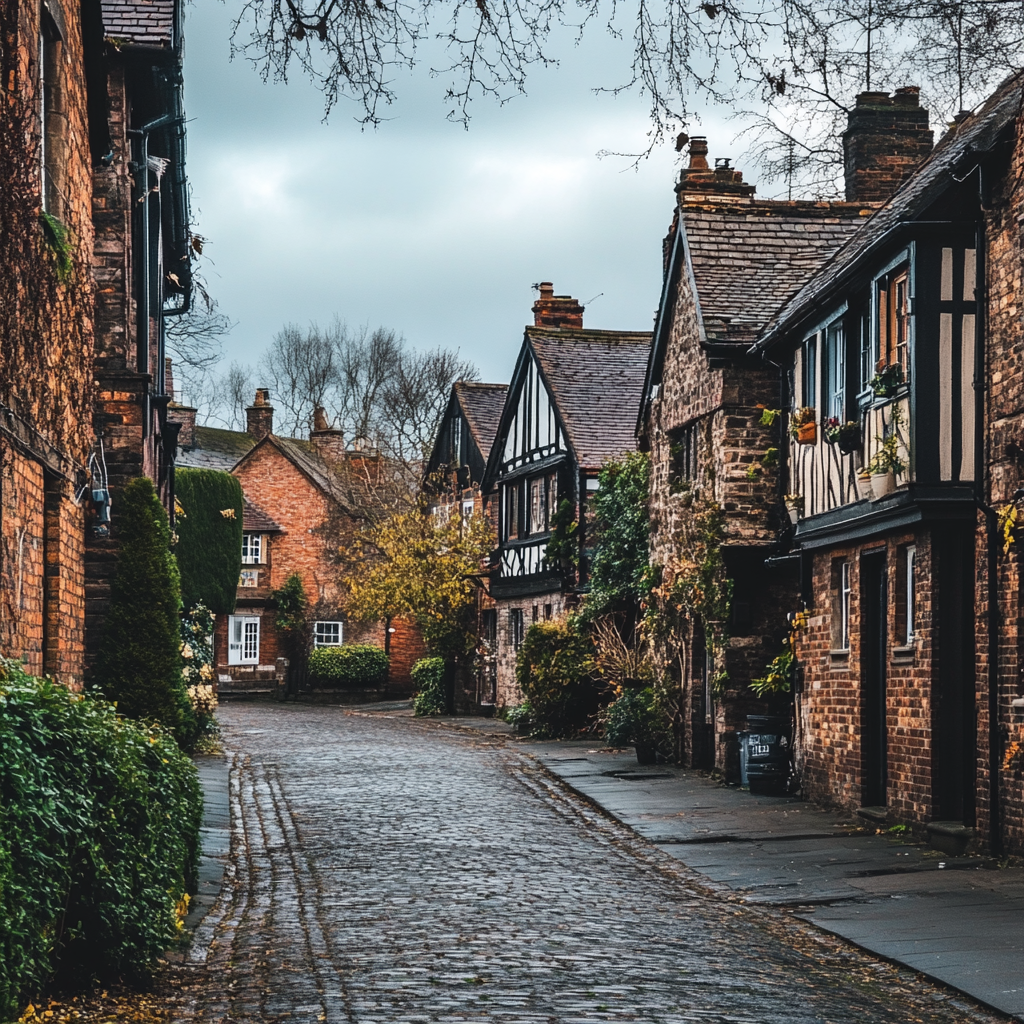
Independent retail thrives here in a way that many market towns have lost. King Street and Princess Street support a mix of boutique clothing, homeware, gift shops, and specialist food retailers that give Knutsford a distinctive identity quite different from the chain-dominated high streets found elsewhere. For investors, this means opportunities in acquiring and upgrading retail units to attract quality independent tenants, or in developing small-scale mixed-use schemes that combine ground-floor retail with upper-floor residential or office space.
Food and beverage is a strong and growing sector. Knutsford already has an established café culture, but there’s room for growth in artisan food retail – think specialist cheese shops, independent butchers, craft bakeries – as well as quality casual dining that serves both the lunch trade from local workers and the evening market from residents. The town’s proximity to productive Cheshire farmland also supports farm-to-table concepts that resonate with the local demographic.
The events calendar adds commercial value that’s easy to underestimate. Knutsford Royal May Day, the RHS Tatton Park Flower Show, and regular Tatton Park events all generate significant visitor spikes that benefit town centre businesses. Commercial schemes that can flex to capture this seasonal demand – outdoor seating areas, pop-up retail spaces, events-capable venues – have a distinct advantage.
Knutsford sits within the Cheshire East Local Plan area and benefits from its designation as a Local Service Centre. The town centre conservation area is extensive, so any physical alterations to commercial premises – shopfronts, signage, external seating – require careful design that respects the historic character. This isn’t an obstacle, but it does mean generic off-the-shelf shopfront designs will be refused.
Macclesfield: Mixed-Use Developments and the Creative Economy
Macclesfield is Cheshire’s most interesting commercial proposition for investors who are willing to look beyond the established affluent towns. Property values are lower than in the Golden Triangle, but the town is experiencing genuine economic momentum driven by its creative sector, its proximity to both Manchester and the Peak District, and active regeneration investment.
The creative and digital economy has taken root in Macclesfield in a way that feels organic rather than forced. The town’s silk industry heritage left a stock of former mill and warehouse buildings that lend themselves naturally to conversion into studios, co-working spaces, and creative workshops. Several have already been successfully converted, establishing a cluster effect that attracts further creative businesses. For investors, acquiring and converting remaining industrial stock into flexible workspace represents a solid opportunity with relatively low entry costs.
Mixed-use development is the model that works best here. Macclesfield’s town centre has capacity for schemes that combine workspace, residential, and food and beverage uses within a single development – the type of placemaking-led approach that planning policy actively encourages. The Cheshire East Local Plan identifies Macclesfield as a Key Service Centre with specific allocations for town centre regeneration, and proposals that contribute to the vitality of the centre are well-supported.
The evening economy is developing, with new independent restaurants and bars establishing themselves alongside the town’s existing offer. There’s a gap for quality casual dining and speciality food and drink that reflects the town’s creative identity – venues with genuine character rather than formulaic high-street concepts.
For investors used to operating in premium locations, Macclesfield requires a different mindset: lower rents and property values mean different financial models, but the upside potential as the town continues its trajectory is considerable. Development here also benefits from more straightforward planning processes than the heavily designated conservation areas of Wilmslow or Alderley Edge.
Altrincham: Market-Led Regeneration and Evening Economy Growth
Altrincham’s transformation over the past decade is arguably the most successful town centre regeneration story in the North West. The revival of Altrincham Market as a curated food hall catalysed a broader commercial renaissance that has seen the town centre shift from declining retail to a vibrant, mixed-use destination that draws visitors from across Greater Manchester and beyond.
The food and hospitality sector is the engine of Altrincham’s commercial economy. The Market House, Stamford Quarter, and surrounding streets support an exceptional concentration of independent restaurants, cafés, and food retailers. For investors, the opportunity now lies in building on this success – whether through developing additional food and beverage units, creating complementary leisure offers, or investing in the evening economy that’s still growing.
Evening economy growth is a particularly strong opportunity. Altrincham’s daytime economy is mature and successful, but the evening offer – while improving – still has capacity for well-conceived bar, restaurant, and entertainment concepts. The demographic is ideal: young professionals and established families with disposable income who want quality options close to home rather than travelling into Manchester city centre.
Retail diversification beyond food is the next phase of Altrincham’s evolution. As the town’s reputation has grown, there’s increasing demand for quality independent retail in fashion, homeware, and lifestyle categories. Investors who can secure and present units at the right specification – good natural light, appropriate scale, character features – will attract tenants from the strong pipeline of independent retailers looking for Altrincham addresses.
Altrincham sits within Trafford’s planning jurisdiction rather than Cheshire East, with its own Local Plan policies. The town centre benefits from active council support for continued regeneration, and proposals that complement the established commercial character are generally well-received.
Warrington: Large-Scale Commercial Hubs and Strategic Logistics
Warrington occupies a unique position in the regional commercial landscape. Sitting almost equidistant between Manchester and Liverpool, straddling the M6, M62, and M56 motorway corridors, and served by the West Coast Main Line, the town offers strategic connectivity that purpose-built business locations struggle to match.
Large-format commercial development is Warrington’s particular strength. The success of Omega Business Park — which has attracted major occupiers including HMRC, Hermes, and Amazon – demonstrates proven demand for high-quality employment space at scale. For investors, the pipeline includes further phases of established business parks as well as new allocations identified in the emerging Warrington Local Plan.
Office market opportunities exist at multiple scales. Birchwood Park serves the established corporate market, while the town centre itself is seeing growing demand for smaller, design-led office spaces aimed at professional services firms and growing SMEs. The gap between Warrington’s relatively affordable commercial rents and its excellent connectivity makes it attractive to businesses that need regional accessibility without Manchester or Liverpool price points.
Logistics and distribution is a significant and growing sector, driven by Warrington’s motorway access and the expansion of e-commerce fulfilment networks. Purpose-built logistics facilities on sites with good HGV access continue to let quickly, and speculative development in this sector has been rewarded with rapid take-up.
Town centre mixed-use development presents a longer-term opportunity as Warrington’s centre continues to evolve. The council’s regeneration ambitions include significant town centre investment, and early-mover investors who can align schemes with the emerging planning framework stand to benefit from public realm improvements and infrastructure investment that enhance commercial values.
Planning Considerations for Commercial Developments in Cheshire
Commercial development across Cheshire sits within a patchwork of planning authorities – Cheshire East, Cheshire West & Chester, Warrington Borough Council, and Trafford Council all have jurisdiction over different parts of the area covered in this guide. Each operates its own Local Plan with distinct policies on commercial development, town centre boundaries, conservation areas, and Green Belt.
Use Class E flexibility has simplified some aspects of commercial development since 2020, but it’s not a blanket permission. Changes between uses within Class E don’t require planning permission, but any physical alterations to premises — new shopfronts, extraction systems for restaurants, external seating areas, signage – typically do. In conservation areas, which cover most of the desirable town centres discussed above, even minor external changes require careful design consideration.
Change of use from other classes into commercial use – converting a residential property into an office, for instance, or a workshop into a restaurant — still requires planning permission and often involves navigating specific policy tests around amenity impact, parking, and compatibility with surrounding uses.
Building regulations compliance applies to all commercial fit-outs and conversions, covering fire safety, means of escape, accessibility, ventilation, and structural adequacy. Commercial premises have more onerous requirements than residential in several of these areas, and achieving compliance often drives the design of a scheme as much as the commercial brief does. Getting this right from the architectural design stage avoids costly retrofit during construction.
For any commercial scheme in Cheshire, the sequence that delivers the best outcomes is consistent: site assessment and feasibility first, then design development informed by planning policy, then formal application with drawings that demonstrate both commercial viability and design quality.
How Draw Plan Supports Commercial Projects
Commercial development demands architectural services that understand the interplay between commercial viability, planning policy, and design quality. A scheme that looks impressive on paper but can’t navigate the planning process is worthless — and a scheme that achieves consent but compromises the commercial brief delivers a poor return.
Draw Plan works with commercial investors and business owners across Warrington, Cheshire, and the wider North West, providing architectural drawing services from initial feasibility through to building regulations approval. Our understanding of local planning authority expectations – built through consistent engagement with Cheshire East, Warrington Borough, and neighbouring councils – means schemes are designed for approval, not just for aspiration.
Our commercial project services include:
Feasibility drawings – Site assessment, constraint analysis, and initial design testing to establish what’s achievable before significant investment is committed.
Planning drawings – Full planning application packages designed to meet local authority requirements and present schemes in the strongest possible terms.
Building regulations drawings – Technical specification and compliance documentation covering fire safety, accessibility, structural works, and all relevant building standards. Book a consultation with Draw Plan to discuss your commercial development project in Cheshire.