

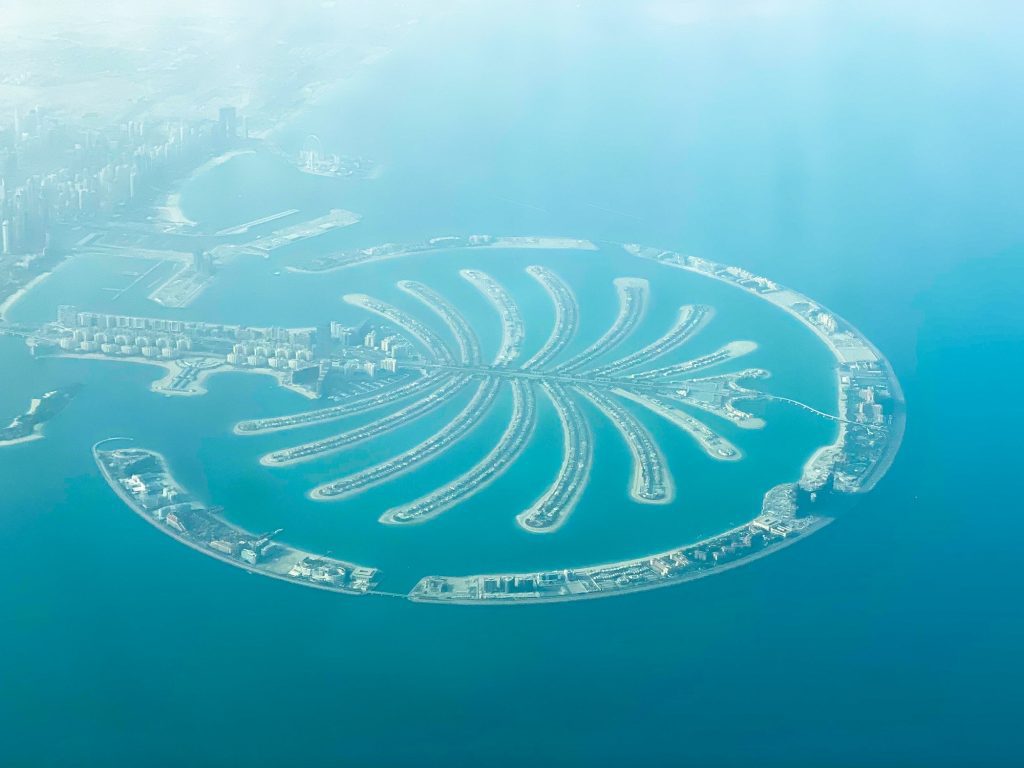
As we celebrate International Water Week, it’s important to recognise the multifaceted role water plays in our lives. Beyond its essential role in sustaining life, water has long been a source of inspiration for various creative fields, including architecture. The fluidity, transparency, and transformative properties of water have influenced architects to rethink design principles, create sustainable structures, and pioneer groundbreaking technologies. In this blog post, we’ll delve into how water serves as a pivotal catalyst for innovation in architecture, exploring its influence on design themes, water-saving innovations, and technological advancements in the field.
Water as a Design Theme

Architects have consistently drawn inspiration from the visual and sensory aspects of water, incorporating its dynamic qualities into their designs. Water’s reflective surfaces, gentle movement, and play of light have influenced architectural aesthetics. Buildings like the Sydney Opera House and the Guggenheim Museum Bilbao showcase fluid, curvilinear designs reminiscent of water’s natural flow. These structures stand as testaments to the power of water to shape both physical forms and artistic sensibilities.
Water bodies themselves are often integrated into architectural designs, creating harmonious interactions between built environments and nature. From the serene reflecting pools at the base of skyscrapers to innovative floating structures, architects have harnessed water’s calming presence to enhance the overall experience of a space. For instance, the Lotus Temple in Delhi, India, not only mimics the shape of lotus petals but also utilises water features to amplify the tranquil atmosphere, making it a spiritual oasis in the heart of a bustling city.
Water-Saving Innovations
In an era marked by environmental consciousness, architects are embracing water-saving innovations to create sustainable buildings. Water scarcity is a global concern, and the architecture industry has a critical role in addressing this challenge. Innovative technologies like rainwater harvesting, greywater recycling, and efficient irrigation systems are becoming integral components of modern architectural designs.

Green roofs, another water-saving innovation, not only provide insulation but also absorb rainwater, reducing runoff and the strain on urban drainage systems. These roofs, adorned with vegetation, contribute to the restoration of natural water cycles within urban landscapes. As architects recognise the potential of integrating water-saving solutions, we witness a shift towards more responsible and resource-efficient construction practices.
Technological Advancements in Water-Driven Tools
Beyond its thematic influence and conservation-oriented applications, water has spurred technological advancements in architectural tools and construction methods. Water jets and cutting tools, for instance, leverage the power of high-pressure water streams mixed with abrasives to precisely cut through materials like stone, metal, and glass. This technology, known as water jet cutting, enables intricate designs and reduces waste, making it a sustainable alternative to traditional cutting methods.
Additionally, water drills have revolutionised the construction industry, enabling architects to bore through challenging terrains and materials with greater precision. These drills utilise water as a coolant and lubricant, enhancing efficiency while minimising the environmental impact. The use of water-powered machinery showcases the innovative fusion of technology and sustainability, propelling architecture towards a more eco-conscious future.
Water-Centric Sustainable Architecture

Sustainable architecture is increasingly prioritising water-centric design approaches, recognising the intrinsic link between water, energy, and the environment. Concepts such as “biophilic design” emphasise the integration of natural elements, including water features, to enhance occupants’ well-being and establish a harmonious coexistence between built and natural environments.
Floating architecture presents another exciting avenue for sustainable innovation. Structures designed to float on water bodies adapt to changing water levels, mitigating the impact of floods and providing flexible living spaces. These floating structures not only address climate-related challenges but also offer opportunities for creative design solutions that embrace water as a functional element.
Conclusion
As we commemorate International Water Week, it’s clear that water’s influence on architecture extends far beyond mere aesthetics. Architects are harnessing water’s transformative qualities to drive innovation, sustainability, and technological advancement. From inspiring fluid designs and water-themed structures to implementing water-saving innovations and pioneering water-driven tools, the architectural field is evolving in response to the challenges and opportunities presented by water.
In a world where resource scarcity and environmental concerns are becoming increasingly urgent, architects are called to envision solutions that integrate water harmoniously into the fabric of human-made environments. The ongoing dialogue between water and architecture not only shapes the physical world we inhabit but also reflects our collective responsibility to preserve and respect the Earth’s most precious resource. Through innovative design, water-conscious technologies, and sustainable practices; architects are not just building structures but forging connections between human creativity and the natural world.