

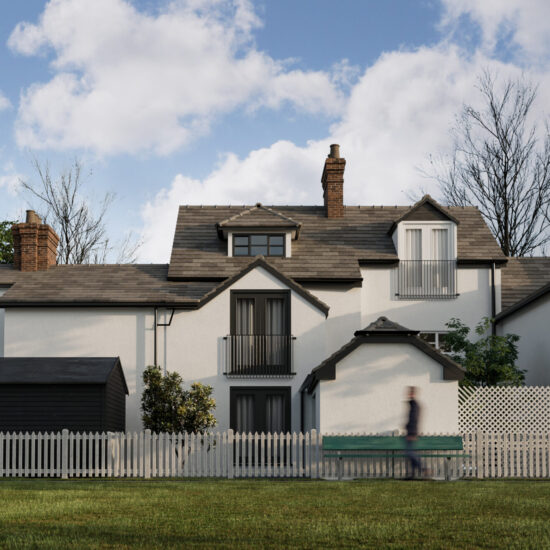
Have you planned to extend your home but are not sure if it will comply with regulations? There are many rules and restrictions that apply to specific conservation areas in order to protect their architectural heritage and the local environment. You should consult a professional before executing any plans or, following their recommendations – see why in this article!
Understanding the UK Conservation Areas
There are more than 10,000 conservation areas in the United Kingdom, which cover a wide range of different types of sites. These include everything from medieval castles to Victorian worker housing, and from small rural villages to large urban parks. Conservation areas are designated by local authorities in order to protect and improve the character and appearance of an area, and many people live in them without even realising it.
However, living in a conservation area can also bring with it some challenges, particularly when it comes to making changes to your property. This is because any alterations you make need to be sympathetic to the existing buildings and landscape, and must not have a negative impact on the area as a whole.
If you’re thinking about making any changes to your property, whether it’s something small like adding a new extension or something more major like changing the roofline, it’s important to research the restrictions that may be in place. The last thing you want is to start work on something only to find out later that it’s not allowed!
Thankfully, there are plenty of resources available online that can help you understand the rules and regulations surrounding conservation areas. Professional architects, such as Draw Plan, should be able to guide you here. The planning department of your local authority will also be able to provide some guidance.
The Importance of Protected Areas
Conservation areas are important for the protection of natural resources and habitats. They provide critical ecosystem services and support biodiversity. However, building extensions in conservation areas can be challenging due to the restrictions placed on development.
One of the biggest challenges is adhering to the strict planning guidelines set by the governing body. In order to gain approval for an extension, detailed plans must be submitted which demonstrate how the proposal will not adversely impact the conservation area. This can be a time-consuming and expensive process.
Another challenge is finding builders who are experienced in working within conservation areas. Due to the restrictions placed on development, there is a smaller pool of builders who have the necessary expertise. This can lead to extended timelines and increased costs.
Despite the challenges, it is possible to successfully extend a property in a conservation area if the right Architect and builder are chosen. By working with an experienced team, you can ensure that your extension meets all the necessary requirements and does not adversely impact the conservation area.
Introducing a Building Extension
There are many issues to consider when planning a building extension, but perhaps the most important factor is whether or not the proposed extension is located in a conservation area. Conservation areas are special places that have been designated by the local authority in order to protect and preserve their character and appearance. This designation means that any development within a conservation area must be carefully planned in order to avoid any negative impact on the area.
The first step in planning a building extension is to research the conservation area designation and develop an understanding of the restrictions that are in place. It is also important to speak to the local authority and obtain planning permission before proceeding with any work.
Once you have obtained all of the necessary approvals, you can begin work on your extension. However, there are some additional challenges that you may face when working in a conservation area. For example, you may need to use traditional methods and materials in order to maintain the appearance of the area. You will also need to be mindful of the surrounding buildings and make sure that your extension does not negatively impact their character.
With careful planning and execution, it is possible to successfully add a building extension to a conservation area. However, it is important to be aware of the challenges involved in order to avoid the trouble and expense of having to significantly alter your plans.
The Challenges and Benefits of a Building Extension in a Conservation Area
Adding an extension to your home can be a great way to add extra space and value. But if you live in a conservation area, there are some things you need to consider before starting any work. Below, we’ve outlined some of the challenges and benefits of building an extension in a conservation area.
Here are some of the benefits:
- You’ll be able to add extra space to your home without sacrificing its original character.
- Conservation areas are usually well-maintained, so your extension will add value to the neighbourhood as well as your home.
- You may be eligible for tax breaks or other financial incentives when you extend your home in a conservation area.
- You’ll be helping to preserve the history and character of the area for future generations.
There are some challenges to take into consideration as well, such as:
- You’ll need to get planning permission from the local planning authority before starting any work – although they generally take into account feedback from neighbours, this won’t be binding as yet. This can be a lengthy process, so it’s well worth making the effort to do proper research and planning before applying for planning permission.
- Some traditional materials and building practices don’t meet today’s strict building regulations, so be sure to use materials that meet approval.
- You’ll need to build your extension in keeping with the house’s style and age, so make sure it fits in well with its surroundings.
- If your home is on a protected historical register then extensions you build may have to fit in with the existing character of the house too – if not, they might not gain planning permission at all, since they’d be considered “overdevelopment”.
- All proposals will still be assessed carefully against other planning applications that concern the area and any potential effect that work could have on neighbouring properties and local infrastructure.
- If you’re planning something relatively minor and/or reversible then it’s fairly likely that your application will get approved.
Conclusion
Building extensions in conservation areas can be a great way to add value to your home while also ensuring that you are doing your bit to preserve the local area. However, it is important to be aware of the challenges involved so that you can make sure you are prepared for them. With a little planning and preparation, though, these challenges should not stand in your way of achieving your dream extension.