

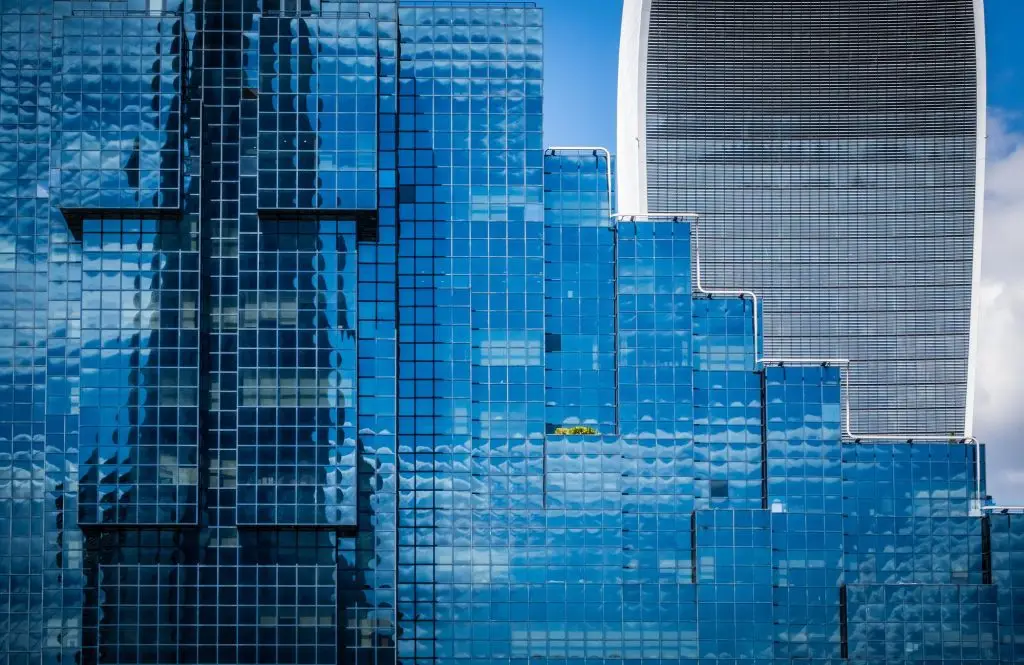
The landscape of architecture in the UK is continually evolving, reflecting the dynamic nature of societal needs, technological advancements, and aesthetic preferences. As we step into 2024, a new array of architectural trends is emerging, shaping the skylines, streets, and living spaces of the UK. This article delves into these trends, highlighting how they cater to contemporary demands while paving the way for a sustainable, innovative, and culturally rich future.
Sustainability at the Forefront
In 2024, the UK’s architectural scene is increasingly pivoting towards sustainable and eco-friendly designs. This shift is not merely a trend but a necessity, driven by the growing awareness of environmental issues and stricter government regulations. Green roofs, solar panels, and the use of sustainable materials are becoming more commonplace. Architects are also focusing on energy-efficient designs that reduce carbon footprints, such as passive solar heating and improved insulation.
Adaptive Reuse and Preservation
With a rich historical heritage, the UK has always been at the forefront of blending the old with the new. This year, adaptive reuse – the process of repurposing old buildings for new uses – is gaining momentum. This approach not only preserves historical architecture but also offers a sustainable alternative to demolition and new construction. From converting old mills into apartments to transforming churches into community spaces, adaptive reuse is redefining the UK’s architectural narrative.
Modular and Prefabricated Construction
The rise of modular and prefabricated buildings is a significant trend in 2024. These constructions are often more cost-effective and time-efficient than traditional building methods. With the housing crisis still looming, modular homes are becoming a popular solution, offering affordability and speed of construction. This trend is also evident in commercial constructions, where businesses are seeking quicker, more flexible building solutions.
Technology-Integrated Designs
The integration of technology in architectural design is becoming increasingly sophisticated. Smart homes are no longer a novelty but a standard expectation in new constructions. From automated lighting and heating systems to advanced security features, technology is being seamlessly integrated into buildings for enhanced comfort, efficiency, and safety.
Biophilic Design
Biophilic design, which incorporates natural elements into the built environment, is gaining traction in the UK. This trend is a response to the need for more green spaces in urban areas and the recognition of the health benefits associated with nature. Living walls, indoor gardens, and the use of natural materials and colours are common features of this trend, offering a serene and healthy living environment.
Emphasis on Community Spaces
There’s a growing emphasis on community-oriented design in UK architecture. This trend is evident in the creation of multipurpose public spaces that foster social interaction and community engagement. These spaces often combine residential, commercial, and recreational facilities, creating a sense of community and belonging.
Aesthetic Diversity
The UK’s architectural aesthetic is becoming increasingly diverse. There is a move away from homogenous designs to a more eclectic approach that reflects the multicultural tapestry of the UK. This diversity is evident in the use of varied colour schemes, materials, and architectural styles that pay homage to different cultural influences.
Innovations in Construction Materials
The exploration of new and innovative construction materials is a key trend in 2024. Materials that are sustainable, durable, and versatile are in high demand. This includes the use of recycled materials, composites, and advancements in glass and steel. These materials not only contribute to the sustainability of buildings but also open up new possibilities in architectural design.
Focus on Mental and Physical Wellbeing
The architecture of 2024 is increasingly focused on promoting mental and physical wellbeing. This involves creating spaces that are not only functional but also conducive to health and happiness. Elements such as natural light, open spaces, and recreational facilities are integral to designs, recognising the impact of the built environment on wellbeing.
Resilience Against Climate Change
Finally, designing for climate resilience is a critical trend. With the increasing impact of climate change, buildings in the UK are being designed to withstand extreme weather conditions. This includes flood-resistant features, robust insulation, and materials that can cope with temperature fluctuations.
In conclusion, the architectural trends of 2024 in the UK reflect a blend of innovation, sustainability, and cultural diversity. These trends are not just shaping the physical landscape but are also a response to the changing societal, environmental, and technological landscapes. As we move forward, it is clear that the future of architecture in the UK is one that embraces change, values sustainability, and celebrates diversity.