

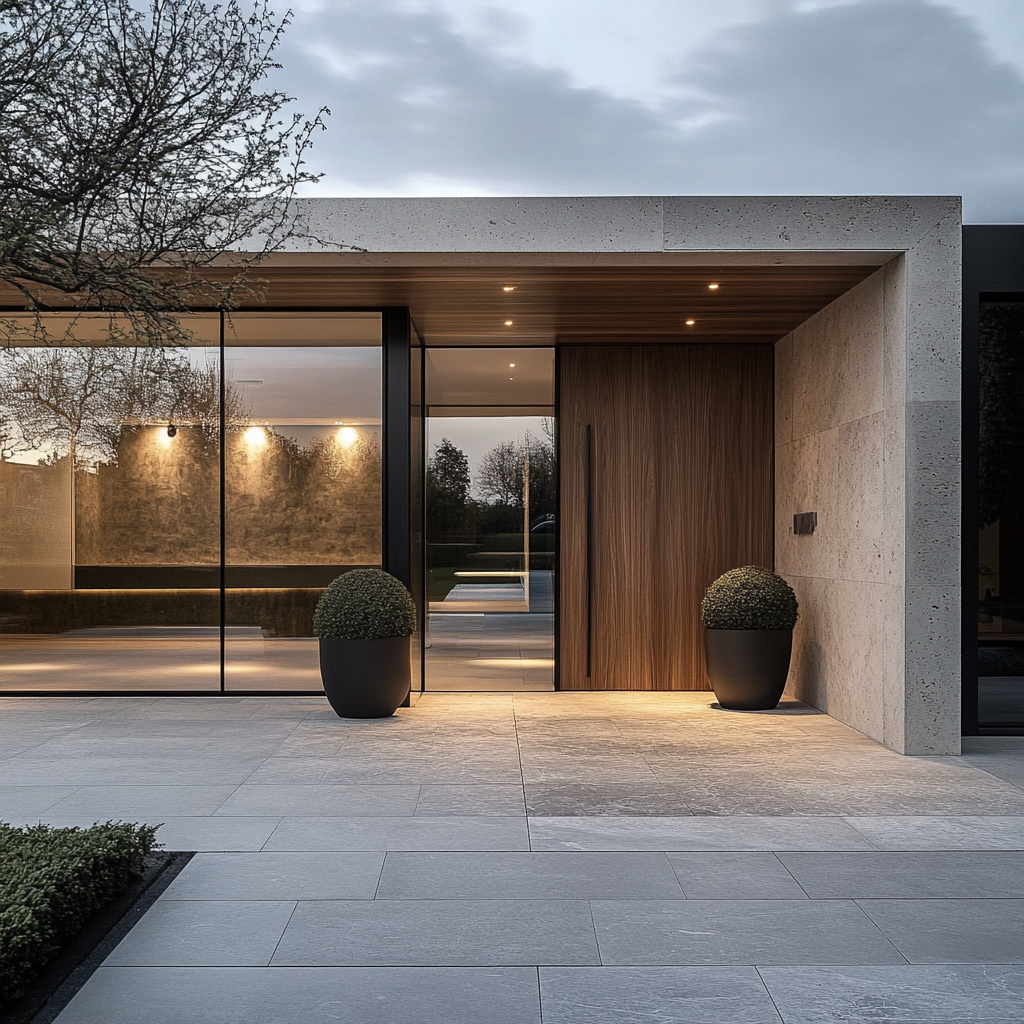
The choice between modern and traditional architecture in Cheshire is rarely a simple matter of taste. In a county where conservation areas cover significant portions of the most desirable towns and villages, where the local vernacular ranges from Cheshire black-and-white timber framing to Victorian red brick and Kerridge sandstone, and where planning authorities have strong views on what constitutes appropriate design, the style of your project has direct consequences for whether it gets built at all.
That doesn’t mean you’re locked into pastiche. Cheshire has plenty of outstanding contemporary architecture – bold modern homes in rural settings, striking glass-and-steel commercial premises, and thoughtful contemporary extensions to period buildings that demonstrate how modern design can sit confidently alongside traditional context. But getting there requires understanding where the planning boundaries lie and designing intelligently within them, or making a well-argued case for why they should flex.
At Draw Plan, we work with homeowners and business owners across Warrington, Cheshire East, Cheshire West & Chester, and surrounding areas to develop schemes that achieve the client’s design ambitions within the local planning framework. This post explores what modern and traditional architecture actually mean in a Cheshire context — not as abstract style categories, but as practical design directions with specific planning, technical, and cost implications.
In this post:
- Cheshire’s traditional architectural character and why it matters for planning
- What modern architecture looks like in a Cheshire context
- Planning considerations that shape your style choice
- Choosing the right style for residential projects
- Choosing the right style for commercial premises
- Blending modern and traditional – extensions, conversions, and hybrid designs
- How Draw Plan helps you navigate style and planning together
Cheshire’s Traditional Architectural Character and Why It Matters
Cheshire’s built environment isn’t one thing. The county’s traditional architecture varies significantly by area, reflecting different building materials, historical wealth patterns, and local construction traditions that developed over centuries. Understanding what “traditional” means in your specific location is essential – both because it informs good design and because planning officers will assess your proposals against the established local character.
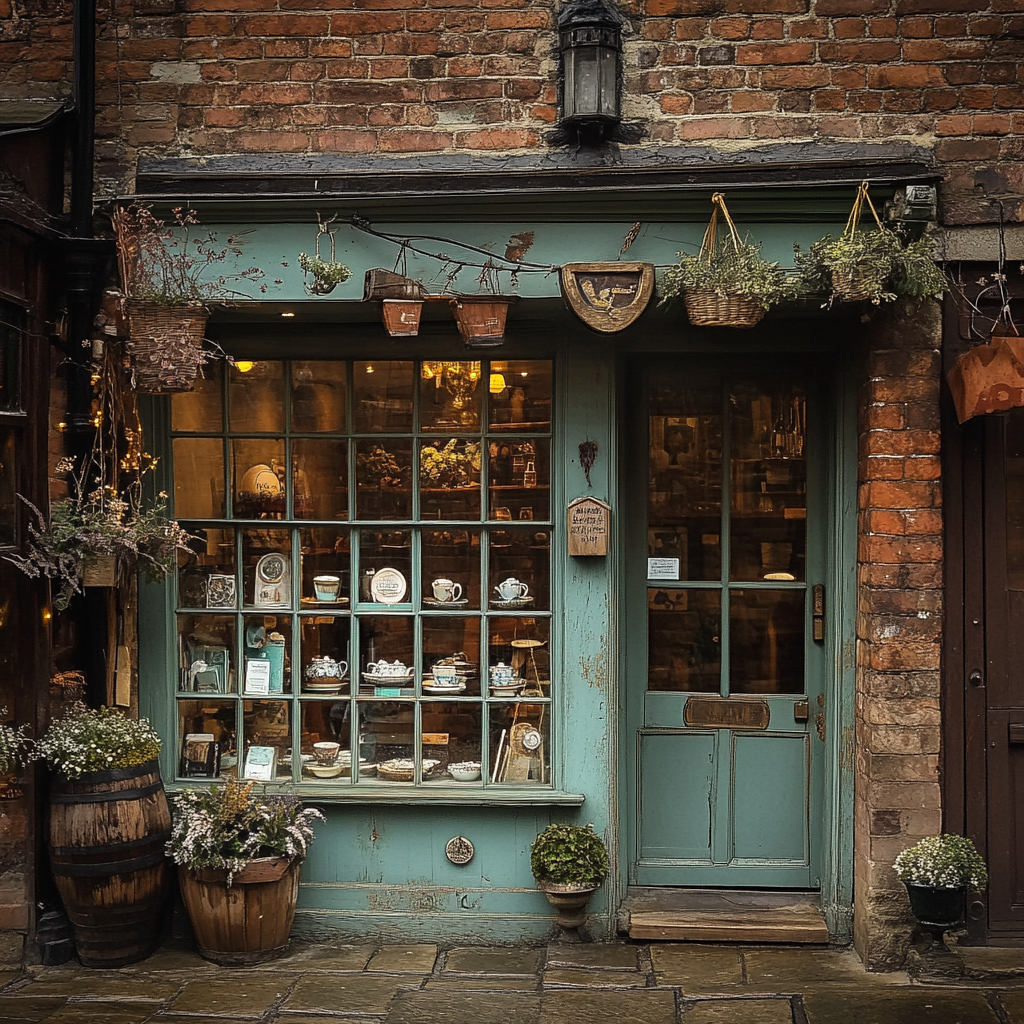
In the rural villages and market towns of Cheshire East – places like Prestbury, Alderley Edge, and Knutsford – the traditional palette includes Cheshire red brick, rendered facades, natural slate roofing, stone detailing, and the county’s distinctive black-and-white timber framing that survives in some of the finest examples anywhere in England. The scale is generally domestic: two and three-storey buildings with pitched roofs, generous proportions, and a rhythm of solid wall to window openings that creates the streetscape character conservation area designations are intended to protect.
In Warrington and the western parts of the county, the industrial heritage adds another layer – converted warehouses, Victorian commercial terraces, and workers’ housing that reflects the area’s manufacturing and transport history. The materials shift too: more engineering brick, cast iron detailing, and the robust, functional architecture of a working town rather than a market town.
The key characteristics that run through Cheshire’s traditional architecture – solid natural materials, pitched roofs, considered proportions, and a relationship between buildings and landscape that has developed organically – aren’t just aesthetic preferences. They’re encoded in local planning policy through conservation area appraisals, design guides, and the general expectation that new development should “respect the character and appearance of the area,” which is the phrase you’ll find in virtually every Cheshire planning policy document.
This doesn’t mean every new building must be a period replica. But it does mean that if you’re proposing something that departs from the traditional character, you need to demonstrate convincingly why that departure is justified and how the design still responds positively to its context.
What Modern Architecture Looks Like in a Cheshire Context
Modern architecture in Cheshire ranges from the subtly contemporary, clean-lined houses that use traditional materials in a modern way, to genuinely bold statements with flat roofs, extensive glazing, and materials like zinc cladding, Corten steel, and exposed concrete that have no precedent in the local vernacular.
The most successful modern buildings in Cheshire tend to share certain qualities regardless of how dramatically they depart from tradition. They respond to the landscape rather than ignoring it – using large windows to frame specific views, stepping building forms to follow topography, or employing materials that weather naturally and develop a patina that connects with the surrounding environment over time. They’re also carefully scaled: a flat-roofed glass pavilion that works beautifully as a single-storey garden room can look profoundly wrong scaled up to a four-bedroom family house in a village setting.
From a technical perspective, modern residential architecture in Cheshire frequently involves structural glazing systems, steel or engineered timber frames that allow open-span interiors without load-bearing internal walls, high-performance insulation systems that exceed Building Regulations minimum standards, and mechanical ventilation with heat recovery to manage air quality in highly sealed building envelopes. These technical choices have cost implications – a contemporary house with floor-to-ceiling glazing, a green roof, and an MVHR system will cost substantially more per square metre to build than a traditional brick-and-block construction with standard windows, and the design development and building regulations submissions are correspondingly more complex.
For commercial premises, modern architecture offers practical advantages. Open-plan office layouts, flexible retail configurations, and the ability to create dramatic double-height entrance spaces are all more straightforward to achieve with modern structural systems. Large glazed facades maximise natural light and create visual connections between the business and the street – commercially valuable for retail and hospitality uses where attracting passing trade matters.
Planning Considerations That Shape Your Style Choice
Here’s where the romantic notion of choosing your favourite style meets the regulatory reality. In Cheshire, the planning framework significantly influences what architectural approach is viable for any given site, and understanding these constraints early – ideally at feasibility stage – prevents wasted design fees and avoidable planning refusals.
Conservation areas are the most common constraint. Cheshire has dozens of designated conservation areas covering town centres, villages, and estate landscapes. Within these areas, there’s a statutory duty to preserve or enhance the area’s character and appearance. This doesn’t prohibit modern design outright – national planning policy explicitly states that new development in conservation areas doesn’t need to mimic existing buildings – but it does require any modern proposal to demonstrate a clear design rationale and a sensitive response to context. In practice, applications for overtly modern buildings in Cheshire’s conservation areas face significantly more scrutiny and a higher refusal risk than those that reference traditional forms and materials.
Article 4 directions remove certain permitted development rights in specific areas. Several Cheshire conservation areas have Article 4 directions in place, which means alterations that would normally be permitted development – changing windows, modifying front boundaries, replacing roof materials – require planning permission. This has particular implications for homeowners who want to modernise the appearance of an existing traditional property: replacing timber sash windows with aluminium frames, for instance, may need formal consent in an Article 4 area.
Design guidance varies by authority but generally establishes expectations for new development. Cheshire East’s design guidance emphasises contextual response, high-quality materials, and appropriate scale. Warrington Borough Council’s policies for its town centre regeneration areas are more permissive of contemporary design, reflecting the desire to create a distinctive modern identity alongside the retained historic core.
Permitted development rights for residential extensions have been expanded in recent years, and many householder projects – rear extensions, loft conversions, outbuildings – can be built without planning permission. However, permitted development has specific limitations on materials, heights, and proportions that tend to favour traditional forms. A contemporary flat-roofed rear extension, for example, is possible under permitted development but must stay within strict height parameters. Anything more ambitious typically requires a householder planning application.
Understanding these constraints at the outset is the difference between a smooth planning process and an expensive argument. A conversation with us before you commit to a design direction can establish what’s realistically achievable on your specific site and in your specific planning context.
Choosing the Right Style for Residential Projects
For homeowners, the style decision sits at the intersection of three factors: personal preference, planning viability, and budget.
Personal preference is the starting point, but it needs testing against reality. If you’ve always wanted a contemporary glass-and-steel house but your site is in the middle of a conservation area village, the planning constraints may make that aspiration undeliverable in its purest form. That doesn’t mean abandoning contemporary design – it might mean a scheme that uses modern spatial planning internally while presenting a more contextual face to the street, or one that employs high-quality natural materials in a contemporary way that references traditional proportions without copying them.
Planning viability determines the design envelope. A rural plot outside any settlement boundary or conservation area offers significantly more design freedom than an infill site in Prestbury or Knutsford. Understanding what your site can support – which is precisely what our feasibility service establishes – sets realistic parameters before design work begins in earnest.
Budget is the practical constraint that often resolves the style question. Contemporary architecture generally costs more to build than traditional construction. The structural systems are more specialised, the glazing specifications are higher, the detailing is more demanding, and the margin for error in execution is smaller – a poorly built traditional house still looks acceptable, while a poorly built modern house looks dreadful. If budget is tight, a well-designed traditional scheme built to a high standard will typically deliver more value than a compromised modern one.
Choosing the Right Style for Commercial Premises
Commercial style decisions are driven by brand, functionality, and planning context in roughly equal measure.
A premium restaurant in Alderley Edge benefits from the warmth and intimacy of traditional architectural language – natural materials, considered proportions, warm lighting through appropriately scaled windows. A tech company’s office in Warrington’s Birchwood business district would look out of place in Georgian pastiche and benefits from a clean, contemporary aesthetic that signals innovation.
For retail premises in Cheshire’s town centres, the shopfront is the critical design element. Most Cheshire town centre shopfronts sit within conservation areas, and planning applications for new or altered shopfronts are assessed against specific design guidance that typically requires traditional proportions, appropriate materials, and signage that respects the streetscape character. The interior can be as contemporary as you like – the planning authority’s interest is primarily in the external appearance.
Use Class E flexibility means changing between commercial uses (retail, office, café, light industrial) often doesn’t need planning permission, but any physical alterations to the building — new shopfronts, extraction systems, external seating, signage — almost certainly do. The style of those alterations needs to respond to the local context, and in Cheshire’s desirable town centres, that context is overwhelmingly traditional.
Blending Modern and Traditional: Extensions, Conversions, and Hybrid Designs
The most common design challenge in Cheshire isn’t choosing between modern and traditional – it’s combining them. Extensions to period houses, barn conversions, commercial fit-outs within historic buildings, and contemporary additions to traditional properties all require navigating the relationship between old and new.
Planning policy generally supports two approaches to this relationship. The first is seamless integration: the extension or alteration is designed to match the existing building so closely that it reads as part of the original, using matching materials, details, and proportions. The second is deliberate contrast: the new element is clearly contemporary, distinguished from the historic building by a change in material, a recessed glazed link, or a distinctly modern form that makes no attempt to mimic the original.
What planning authorities consistently resist is the awkward middle ground – extensions that are vaguely traditional but clearly not original, or modern additions that are half-hearted in their contemporary expression. Committing fully to either approach and executing it with confidence and quality typically produces better design outcomes and smoother planning processes.
For building regulations purposes, the style choice has less direct impact – the regulations are primarily concerned with structural adequacy, fire safety, thermal performance, and accessibility regardless of architectural expression. However, the technical detailing is often more complex where modern elements meet traditional construction. A glazed link between a stone farmhouse and a contemporary extension, for instance, needs careful thermal bridging, weather-tightness, and structural detailing that wouldn’t arise in a straightforward traditional extension.
How Draw Plan Helps You Navigate Style and Planning Together
The architectural style question isn’t one we can answer in the abstract. It depends entirely on your site, your brief, your budget, and your planning context – and our job is to help you work through those factors systematically so you arrive at a design direction that’s both achievable and genuinely right for your project.
Our feasibility service tests design options against planning constraints before you commit significant time or money to a single direction. Our planning drawing service produces applications that present your scheme in the best possible light, with supporting documentation that addresses the specific policy considerations your site raises. And our building regulations service ensures the design is technically sound regardless of which architectural style you choose.
Whether you’re planning a contemporary new-build in open countryside, a traditional extension to a period home, or a modern commercial fit-out within a conservation area shopfront, the design process starts with understanding what’s possible and working from there. Book a consultation with Draw Plan to discuss your project and explore which architectural approach works for your site, your brief, and your planning context.